
The Wetland Was Here: Why Timing Changes What We Can See
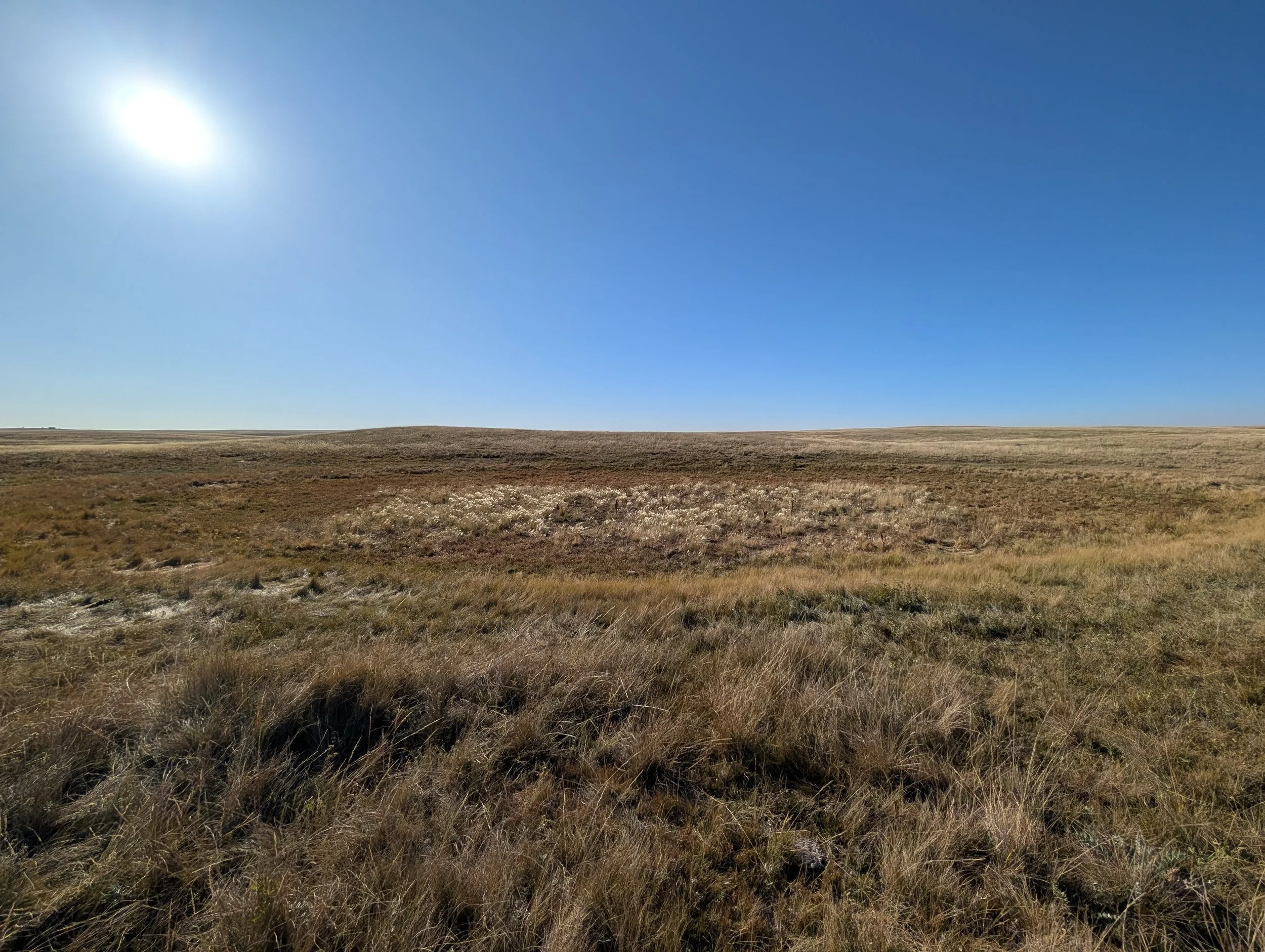
Wetlands are not always “wet” when you happen to visit them. They are dynamic systems shaped by snowmelt, rainfall, groundwater, soil characteristics, vegetation, and site position. Some hold water for long periods, while others only show themselves clearly for a short window each year.
That is why timing is a consideration during any site visit. In May, a low spot in a project area may be full of water. By August, that same area may be dry enough to walk across in regular boots. Same site, different season, very different evidence. A wetland assessment is not just about whether there is water on site that day. It is about understanding how water moves through the area over time.
What Plants Are Telling You (If You Know How to Listen)
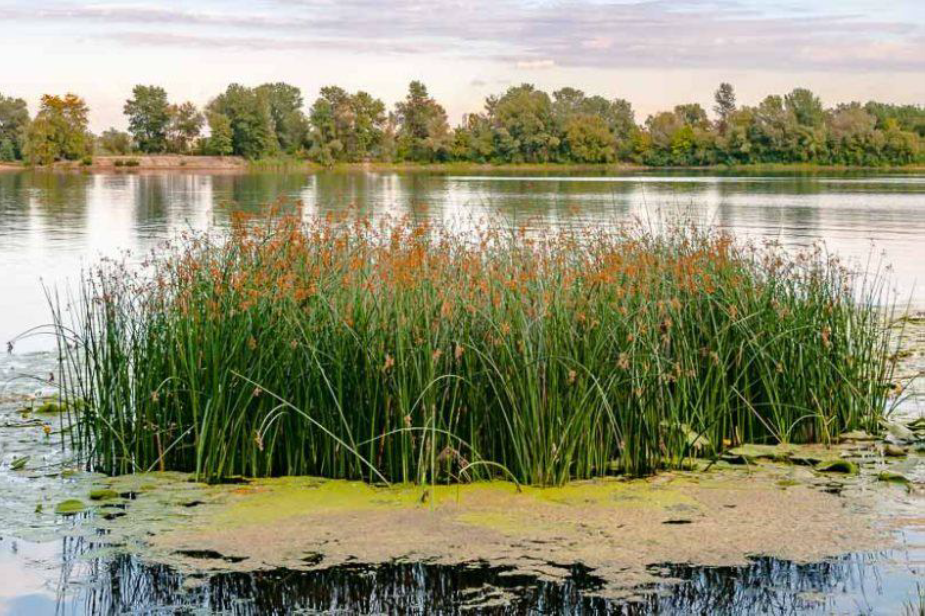
Every plant growing on a piece of land got there for a reason. It did not show up by accident. It is there because the soil, the moisture, the drainage, and the disturbance history of that site made it possible. Once you understand that, walking across a landscape starts to feel less like a nature stroll and more like reading a report that the land wrote about itself.
This is something AJM's vegetation crew thinks about constantly in the field. Here is a small window into how we read what plants are telling us.
From Bear Dens to Boardrooms
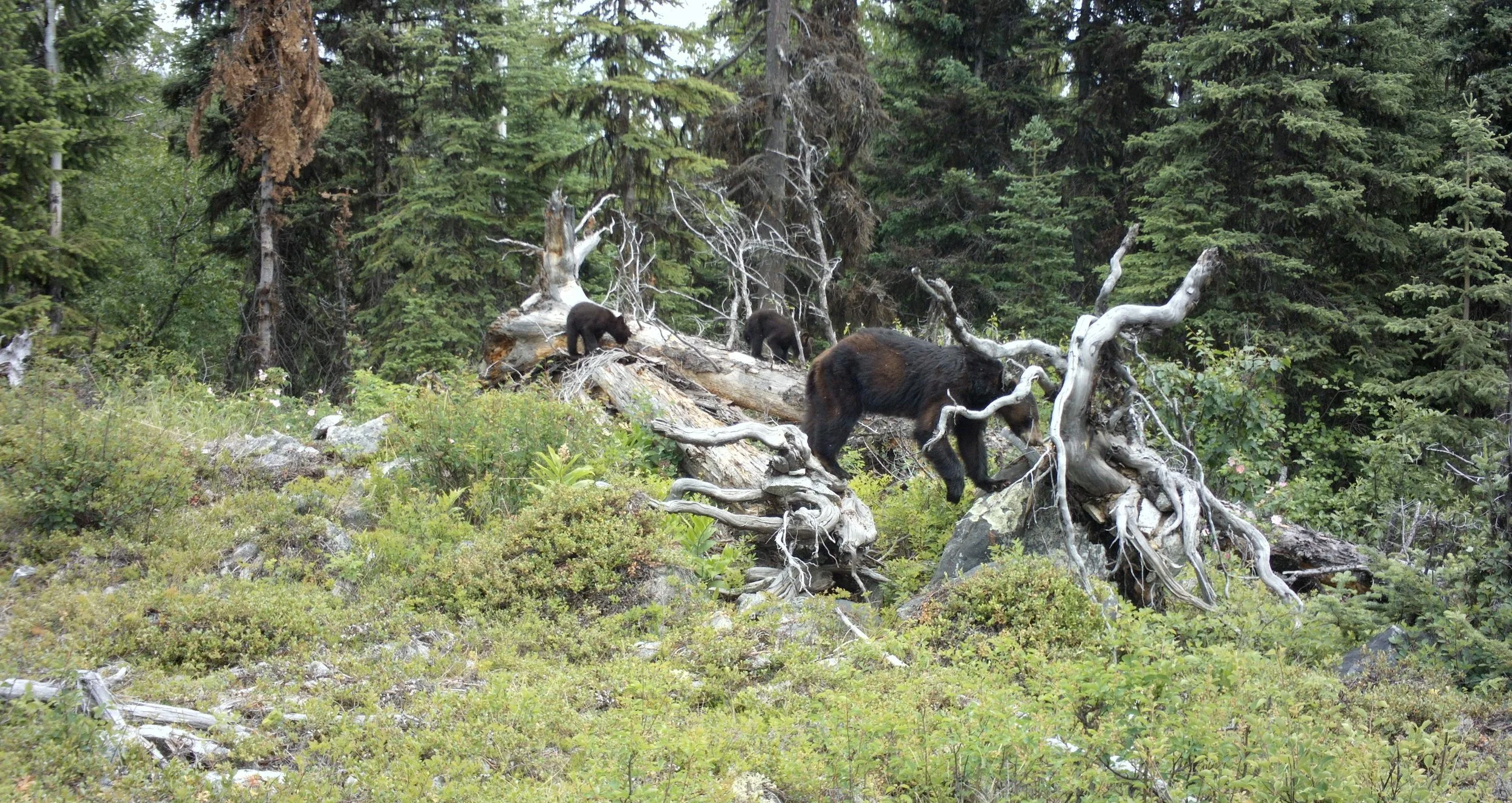
Mother’s Day arrives at a fitting time in the natural world. Across Alberta and western Canada, spring is when many wildlife species are nesting, denning, spawning, calving, hatching, and raising young. In other words, the landscape is full of mothers doing what mothers do best: protecting, feeding, teaching, and occasionally making it look much easier than it is.
Weird Plant Wednesday: Overlooked Liverworts
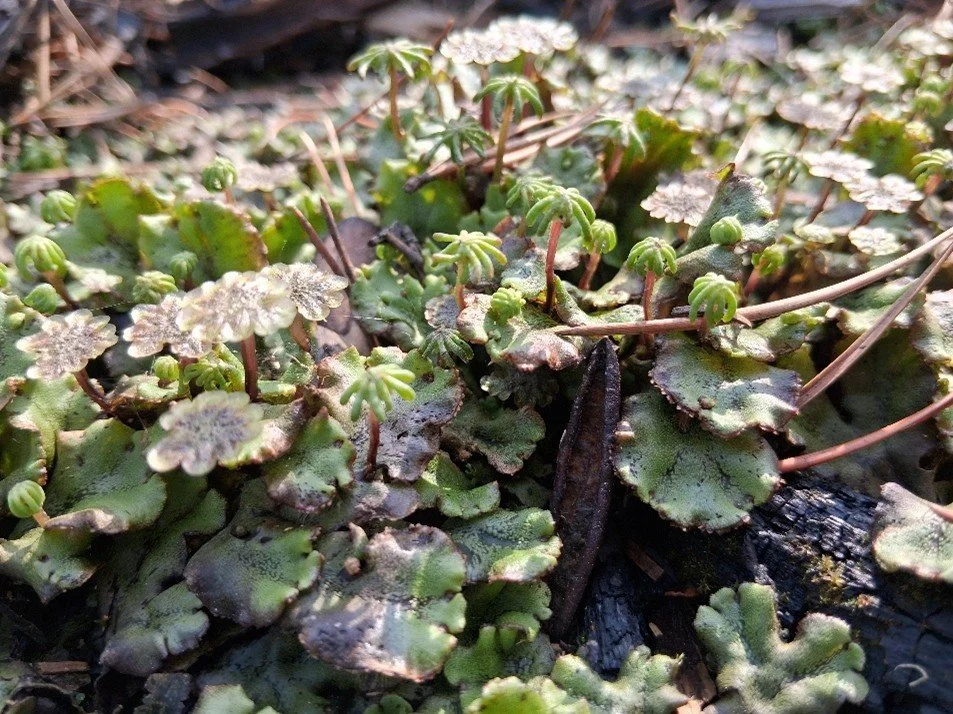
We’re finishing off this tour of the weird plants of Alberta’s boreal wetlands with liverworts. Heard of them? I hadn’t either until I started working in northern Alberta, but I’m becoming increasingly obsessed. Get out your microscopes and dichotomous keys, because liverworts might be the weirdest plants we’ve covered yet!
First of all, what are liverworts, and why on earth do they have such a weird name?
Weird Plant Wednesday: Peculiar Parasites
Carnivorous plants cope with the scarcity of nutrients in peatlands by eating animals. Parasitic plants? They just steal.
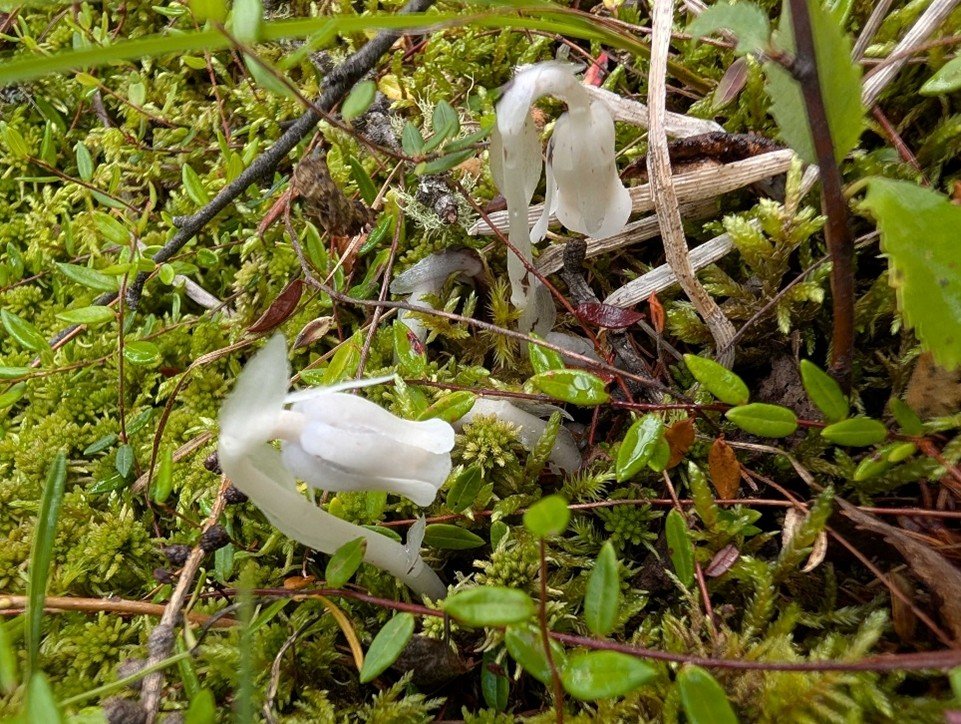
It doesn't get much weirder than parasitic plants. The ghost pipe, Monotropa uniflora, could easily be mistaken for a mushroom. It's an almost translucent shade of white, with a bell-shaped flower like a ghost costume made from a sheet. Underground, its roots reach out to the threadlike network of mycorrhizal fungi. These fungi usually form a close symbiotic partnership with plants via their roots; the plants share sugars made by photosynthesis with the fungus, while the fungi contribute minerals extracted from the soil to the plant. Ghost pipe makes this relationship more one-sided, drawing on other plants’ sugars and the fungi’s nutrients without contributing anything in exchange. And because it completely skips photosynthesis, it has no chlorophyll, the pigment that makes plants green.
Weird Plant Wednesday: Curious Carnivores
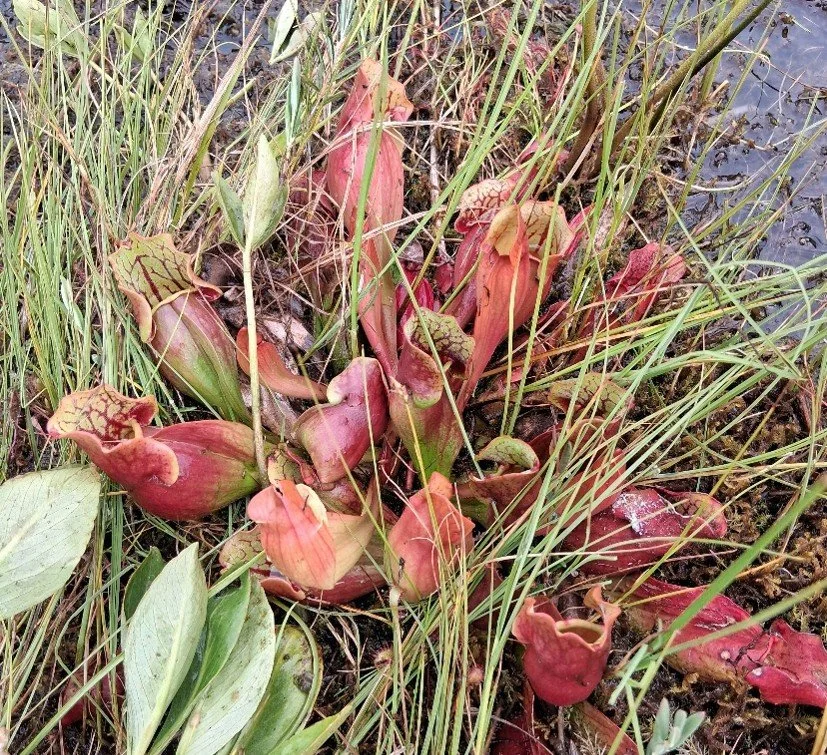
When you think of carnivorous plants, do you think of lush tropical rainforests? Or perhaps Little Shop of Horrors, with its failing neighbourhood florist where people keep breaking out into song? You probably don’t think of the cool, mosquito-filled wetlands of northern Canada. But in fact, Alberta is home to at least 12 species of carnivorous plants!
Peatlands are where carnivorous plants thrive. Because peat is made up of dead plants that have stopped decaying, their nutrients aren't available for other plants to recycle (see last Wednesday’s Weird Plant post about Sphagnum). Plants that live in peatlands have lots of strategies to cope with these nutrient-poor conditions and obtain scarce nutrients, but carnivorous plants have one of the coolest. Unsurprisingly, that strategy is...being carnivorous!
Weird Plant Wednesday: Strange Sphagnum
Welcome to Weird Plant Wednesday, a series of field notes about some of the bizarre plants of Alberta's boreal wetlands – plants that AJMers are privileged to see during summer field work in northern Alberta!
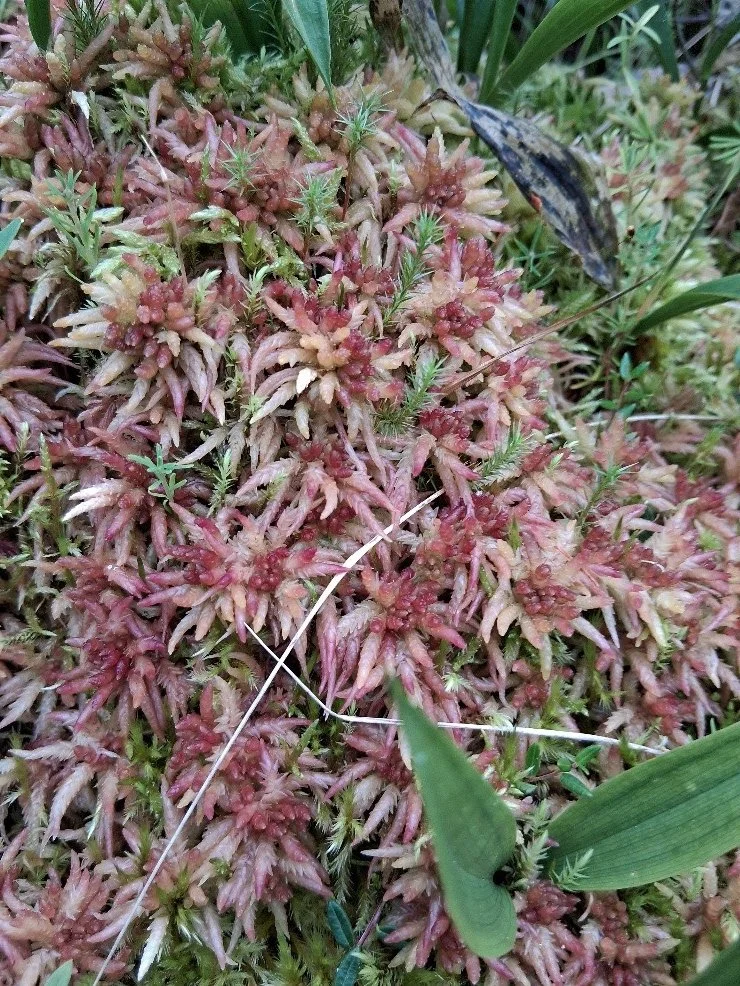
There's only one logical place to start this series, and it's the plants that literally help create Alberta's fens and bogs: peat mosses (genus Sphagnum).
Designing Smarter Projects: How AJM Integrates Environmental Insight with Engineering Expertise
At AJM, we are continually enhancing the value we offer clients by strengthening the breadth and integration of our service offerings. In addition to our core environmental consulting capabilities - including wetland, wildlife, aquatic, vegetation, regulatory, and geospatial services - we have recently added complementary engineering design and modelling services to our Consulting Services.
These capabilities are delivered through a curated network of trusted engineering and technical partners, enabling seamless collaboration that bridges environmental insight with engineering rigour.
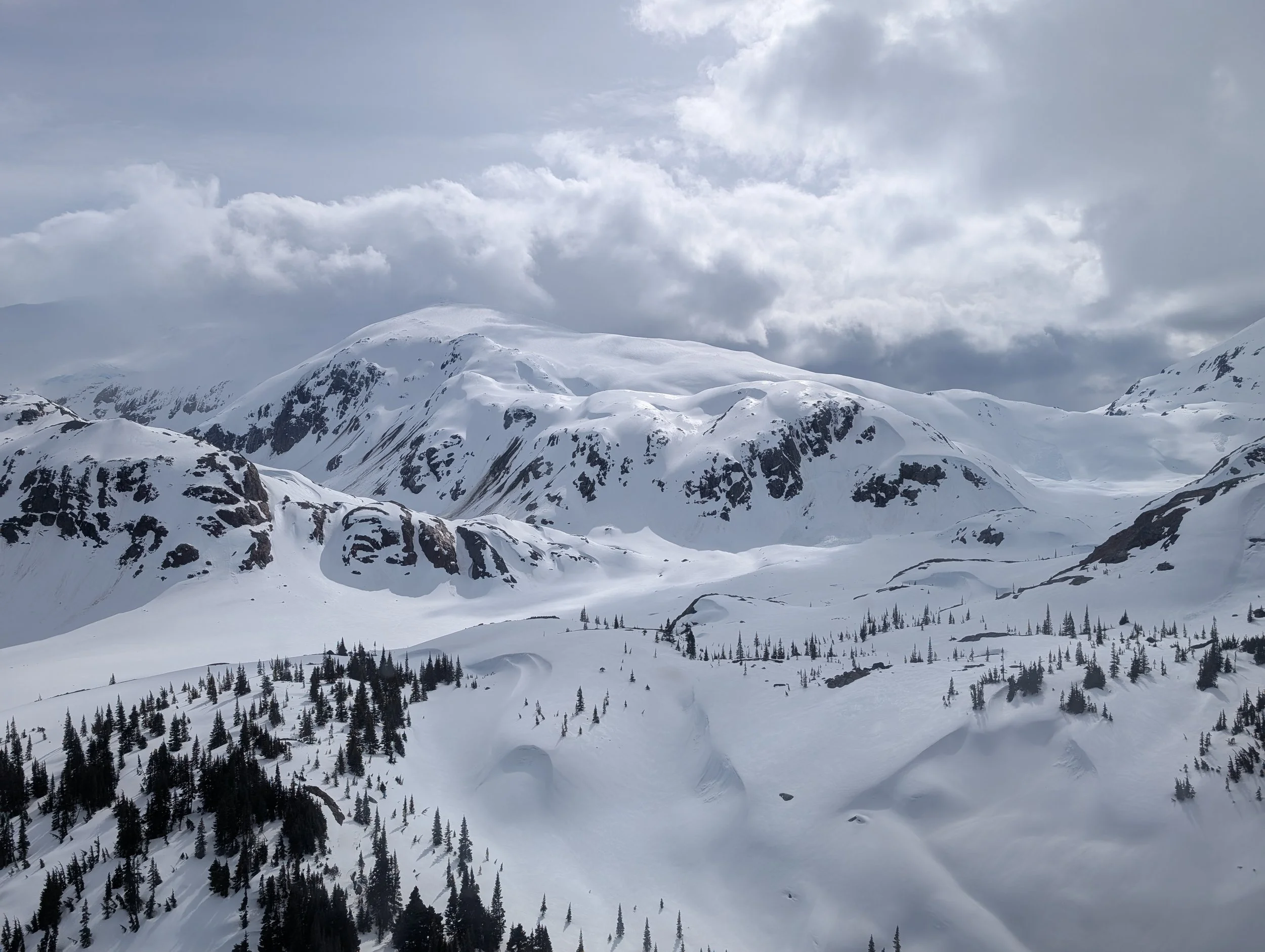
The Cheesy 2025 AJM Family Christmas Letter
Dear Clients, Partners, Friends, and Other Suckers Who Opened This Email,
2025…What a year! We laughed, then cried, then laughed a bit more, and then ugly cried. After pulling ourselves together to reflect on the year, it truly was another one for the books. So, even though you really don't want to hear about it, we're going to start blabbering. You've already made it through four sentences (almost five!), so you're pretty much committed now. Buckle up!

Botanical Training at Nose Hill Park: Uncovering Rare Soapweed and Exploring Species Range
AJM’s vegetation team gathered at Nose Hill Park for a hands-on field training session to enhance our botanical skills. As part of the session, we focused on identifying various species, including prairie rose, Kentucky bluegrass, and prairie crocus, using transects and study plots. These methods help us assess plant community health, a key component of our ongoing vegetation monitoring projects in boreal wetlands and rangelands.
During the session, we made an intriguing discovery: soapweed (Yucca glauca), a species federally listed under the Species at Risk Act (SARA), was growing in the park. Normally found in the southern reaches of Alberta, soapweed’s presence in Nose Hill Park was a surprising find!
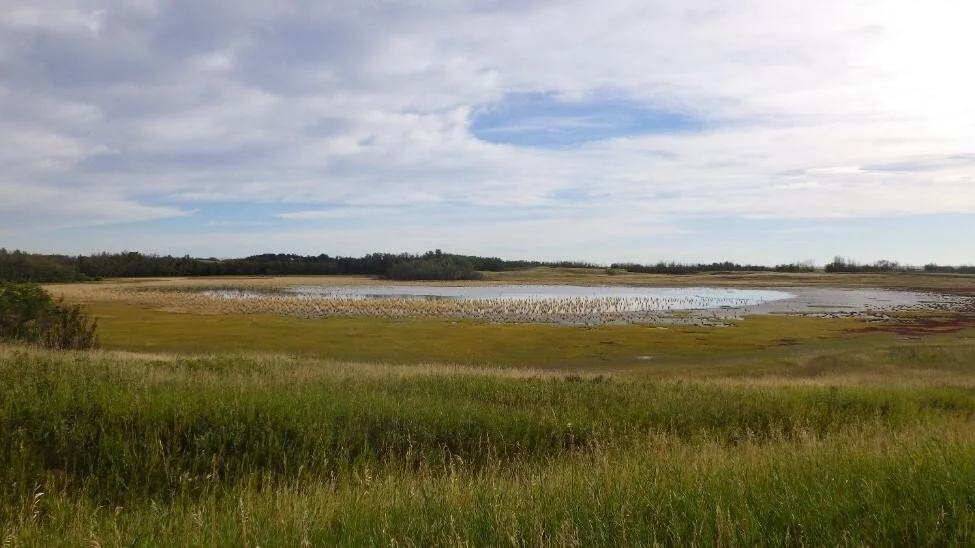
Valuing Alberta's Wetlands: Dry Doesn’t Mean Unimportant
For many, it can be difficult to visualize wetlands in grassland ecosystems or crop fields, especially when they appear dry for most of the year. However, wetlands play a critical role in managing floods and droughts by storing and gradually releasing water, filtering out nutrients and contaminants, and providing habitat for diverse species, including migratory birds, amphibians, and over 400 plant species in Alberta alone …

Digging into Dirt (and Data): A Regulatory Adventure
Curious about what happens when someone wants to access natural resources on their property—like digging a giant hole in the ground? That’s where we (AJM’s environmental experts) come in, armed with boots, binoculars, and laptops. In this article, we’ll walk you through a real-life project example where we conducted a Biophysical Impact Assessment for a landowner with a claypit mine on agricultural land in Alberta. Keep reading to learn how we approach these assessments and what they involve!

The Cheesy 2024 AJM Family Christmas Letter
Dear Clients, Partners, Friends, and Poor Souls Who Opened This Letter, Well, here we are—another year older, a bit wiser(?), and, in AJM tradition, full of cheese (both metaphorically and literally). Let’s rewind 2024 and relive AJM Environmental’s greatest hits—the moments where chaos knocked, and we showed up with just enough brilliance to make it look intentional. This year we tackled challenges with all the vigor of Santa’s elves trying to meet their toy quota. Here are some highlights!

Owls in the Winter - What a Hoot!
Spotting owls in Alberta during the winter is a thrilling experience, as several species, including the great horned and snowy owl, remain active in open or edge habitats despite the cold. Their presence in our snow-covered landscapes adds an enchanting and mysterious element to the province’s winter wildlife. Read on to learn more about four owl species commonly seen in Alberta throughout the winter!
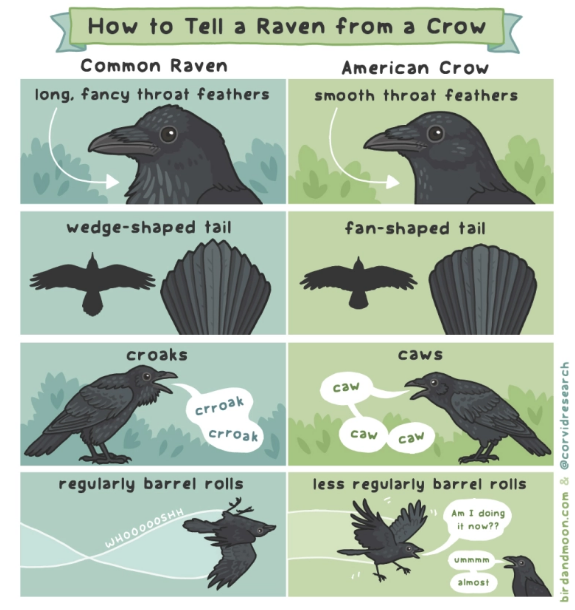
Distinguishing the American Crow and Common Raven
As biologists and environmental scientists, even we sometimes mix up the American Crow and the Common Raven. They are remarkably similar, but with a bit of practice, you can tell them apart. Here’s how to differentiate these two members of the Corvid family.