
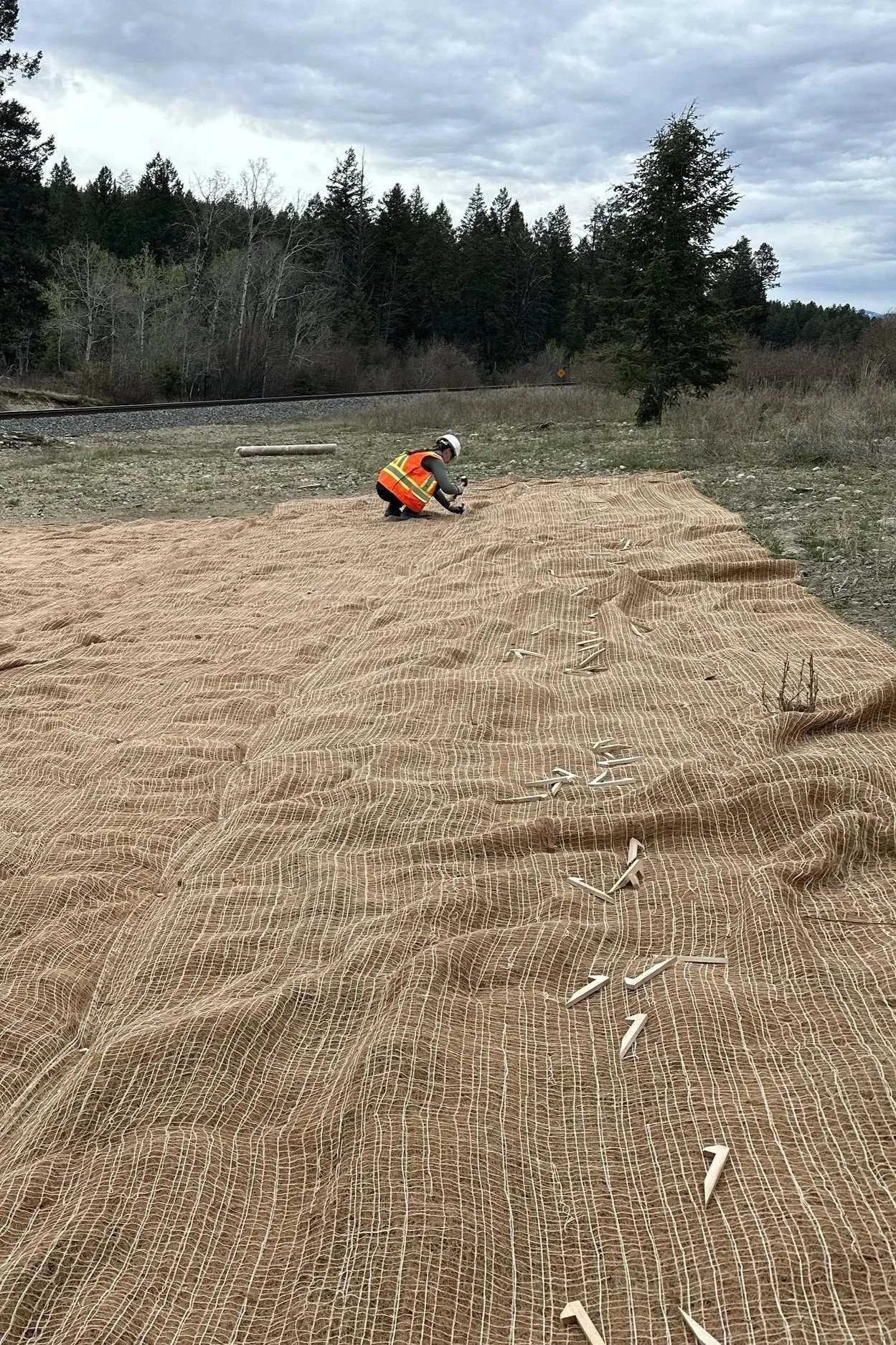
Holding Your Ground: Keeping Soils in Place
If you’ve ever driven past a construction site and noticed black silt fences, straw wattles snaking along slopes, or muddy water pooling near storm drains, you’ve seen erosion and sediment control — or the lack of it — in action. What you might not have noticed is whether a CPESC was on the job. Spoiler: it matters a lot.
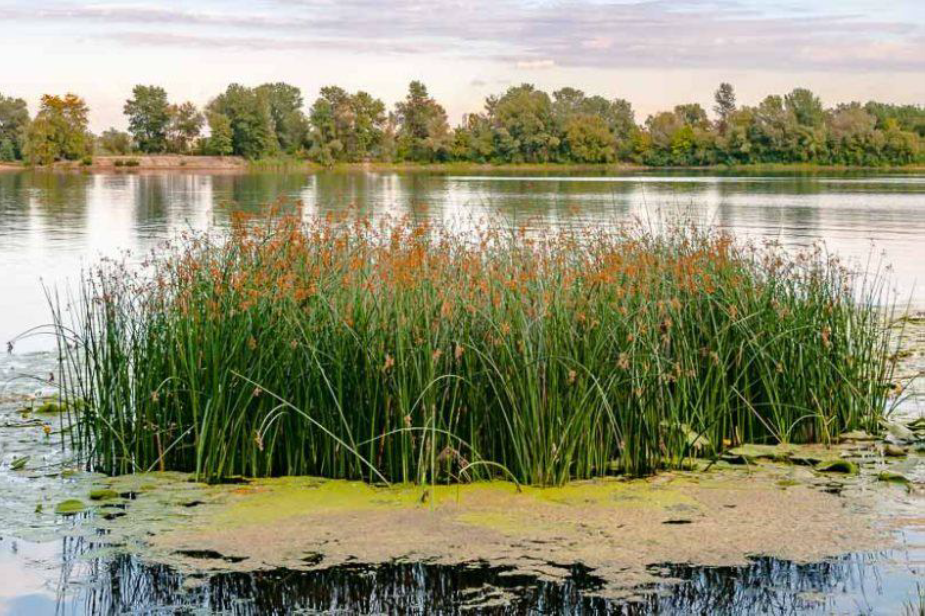
What Plants Are Telling You (If You Know How to Listen)
Every plant growing on a piece of land got there for a reason. It did not show up by accident. It is there because the soil, the moisture, the drainage, and the disturbance history of that site made it possible. Once you understand that, walking across a landscape starts to feel less like a nature stroll and more like reading a report that the land wrote about itself.
This is something AJM's vegetation crew thinks about constantly in the field. Here is a small window into how we read what plants are telling us.
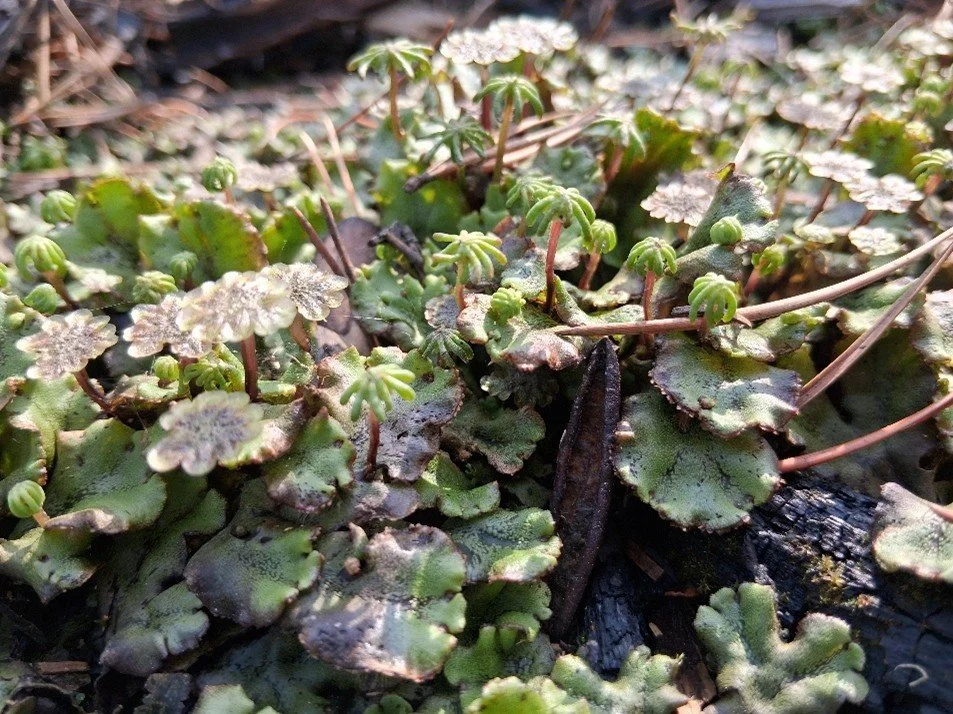
Weird Plant Wednesday: Overlooked Liverworts
We’re finishing off this tour of the weird plants of Alberta’s boreal wetlands with liverworts. Heard of them? I hadn’t either until I started working in northern Alberta, but I’m becoming increasingly obsessed. Get out your microscopes and dichotomous keys, because liverworts might be the weirdest plants we’ve covered yet!
First of all, what are liverworts, and why on earth do they have such a weird name?
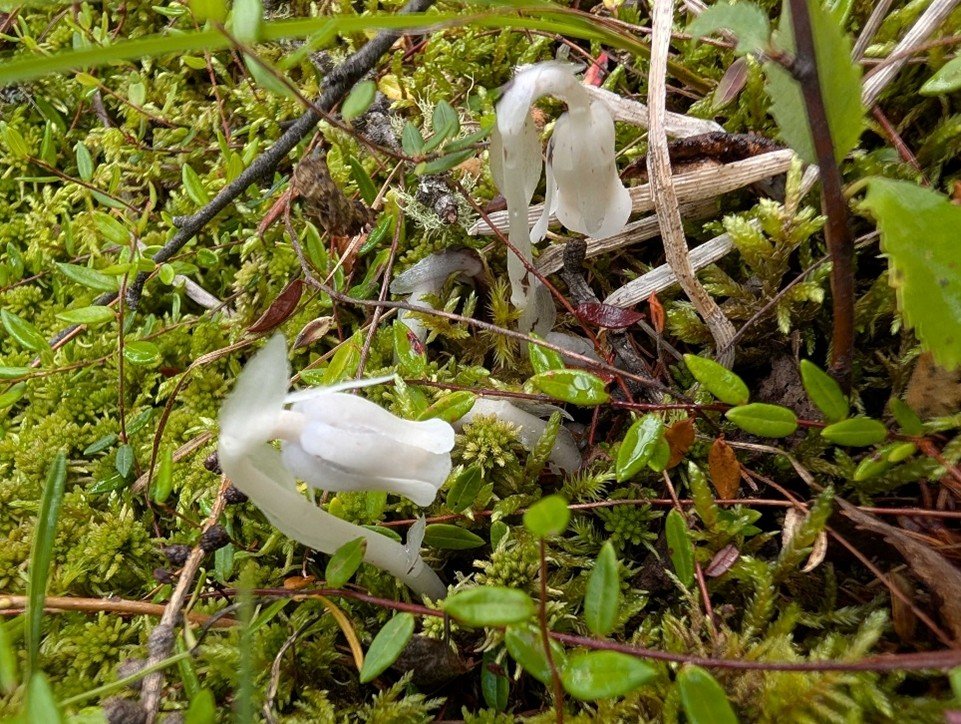
Weird Plant Wednesday: Peculiar Parasites
Carnivorous plants cope with the scarcity of nutrients in peatlands by eating animals. Parasitic plants? They just steal.
It doesn't get much weirder than parasitic plants. The ghost pipe, Monotropa uniflora, could easily be mistaken for a mushroom. It's an almost translucent shade of white, with a bell-shaped flower like a ghost costume made from a sheet. Underground, its roots reach out to the threadlike network of mycorrhizal fungi. These fungi usually form a close symbiotic partnership with plants via their roots; the plants share sugars made by photosynthesis with the fungus, while the fungi contribute minerals extracted from the soil to the plant. Ghost pipe makes this relationship more one-sided, drawing on other plants’ sugars and the fungi’s nutrients without contributing anything in exchange. And because it completely skips photosynthesis, it has no chlorophyll, the pigment that makes plants green.
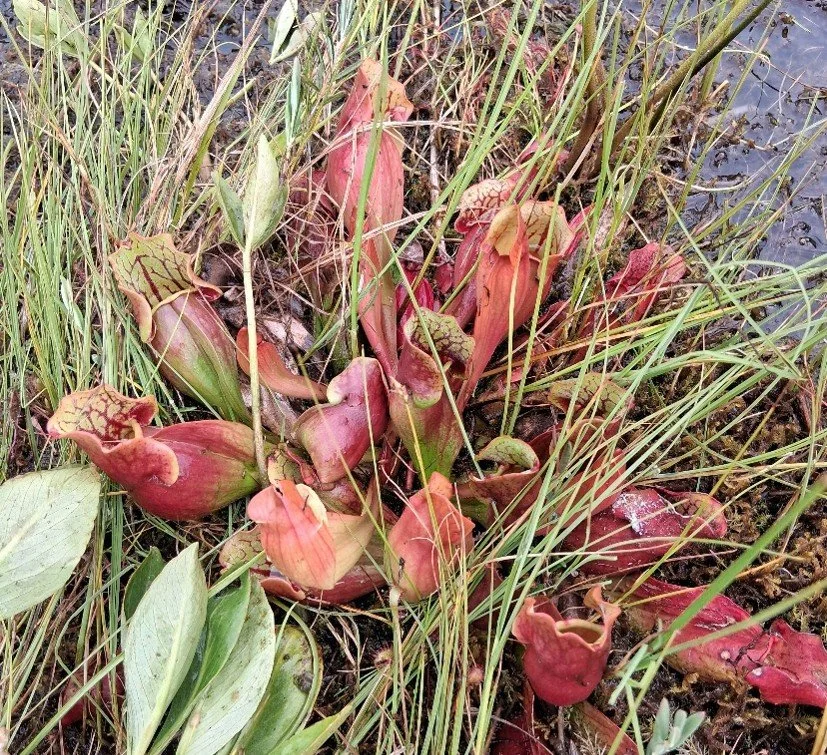
Weird Plant Wednesday: Curious Carnivores
When you think of carnivorous plants, do you think of lush tropical rainforests? Or perhaps Little Shop of Horrors, with its failing neighbourhood florist where people keep breaking out into song? You probably don’t think of the cool, mosquito-filled wetlands of northern Canada. But in fact, Alberta is home to at least 12 species of carnivorous plants!
Peatlands are where carnivorous plants thrive. Because peat is made up of dead plants that have stopped decaying, their nutrients aren't available for other plants to recycle (see last Wednesday’s Weird Plant post about Sphagnum). Plants that live in peatlands have lots of strategies to cope with these nutrient-poor conditions and obtain scarce nutrients, but carnivorous plants have one of the coolest. Unsurprisingly, that strategy is...being carnivorous!
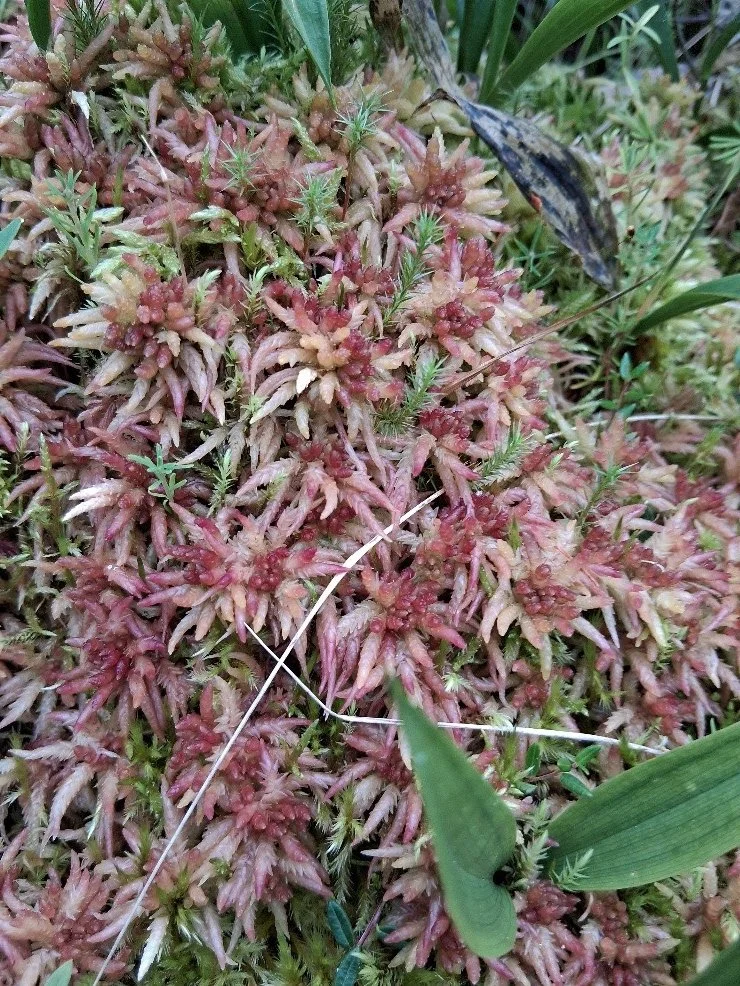
Weird Plant Wednesday: Strange Sphagnum
Welcome to Weird Plant Wednesday, a series of field notes about some of the bizarre plants of Alberta's boreal wetlands – plants that AJMers are privileged to see during summer field work in northern Alberta!
There's only one logical place to start this series, and it's the plants that literally help create Alberta's fens and bogs: peat mosses (genus Sphagnum).

Botanical Training at Nose Hill Park: Uncovering Rare Soapweed and Exploring Species Range
AJM’s vegetation team gathered at Nose Hill Park for a hands-on field training session to enhance our botanical skills. As part of the session, we focused on identifying various species, including prairie rose, Kentucky bluegrass, and prairie crocus, using transects and study plots. These methods help us assess plant community health, a key component of our ongoing vegetation monitoring projects in boreal wetlands and rangelands.
During the session, we made an intriguing discovery: soapweed (Yucca glauca), a species federally listed under the Species at Risk Act (SARA), was growing in the park. Normally found in the southern reaches of Alberta, soapweed’s presence in Nose Hill Park was a surprising find!

April Showers bring… April Flowers?!
Alberta is home to an impressive variety of flora and fauna. One of the fauna groups that often tends to get overlooked are amphibians. Amphibians are animals that have life stages that occur both aquatically and terrestrially. One of their most prominent features is their permeable skin that allows them to regulate moisture and gas exchange (breathing!). This awesome adaption also leaves them prone to impacts from pollution …