Holding Your Ground: Keeping Soils in Place
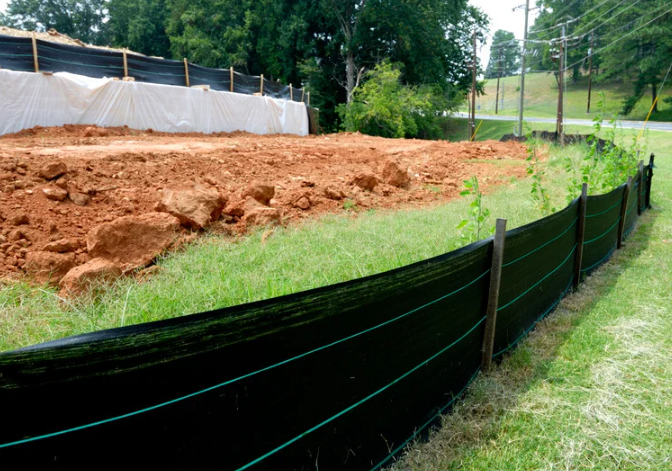
Example of silt fencing (stock photo from Canva), used to help contain sediment on-site.
If you’ve ever driven past a construction site and noticed black silt fences, straw wattles snaking along slopes, or muddy water pooling near storm drains, you’ve seen erosion and sediment control — or the lack of it — in action. What you might not have noticed is whether a CPESC was on the job. Spoiler: it matters a lot.
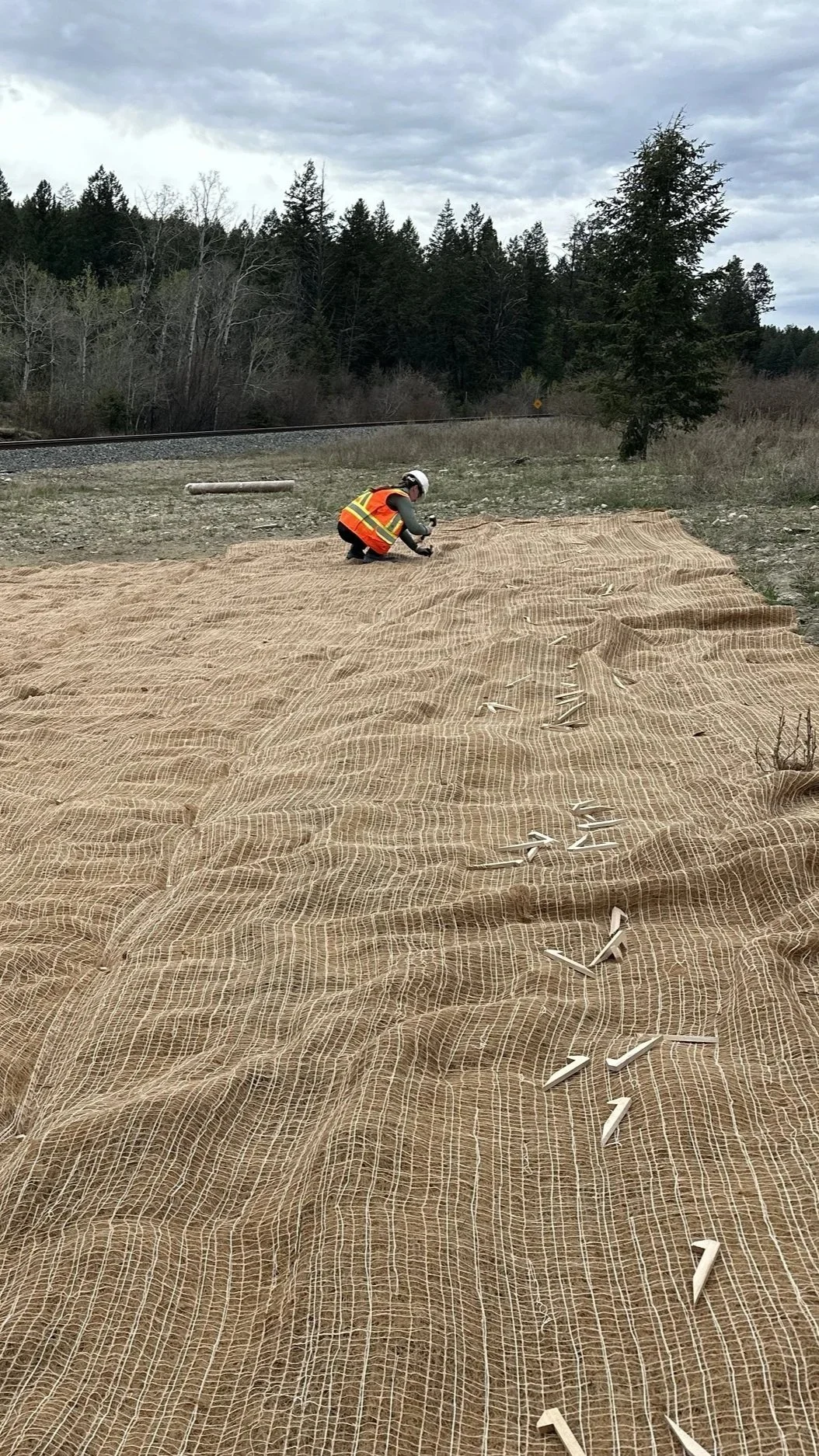
Coco matting helps retain moisture, stabilize soil, and protect newly seeded areas from erosion
So, What’s a CPESC?
A Certified Professional in Erosion and Sediment Control is exactly what it sounds like: someone who has earned a nationally recognized credential demonstrating expertise in protecting soil, water, and ecosystems from the disruption caused by land disturbance. The designation is issued by Envirocert International and is held by engineers, environmental scientists, landscape architects, contractors, and land planners who work at the intersection of construction and environmental stewardship.
These aren’t just people who know how to stake a silt fence. CPESCs understand hydrology, soil science, regulatory frameworks, and how these factors influence erosion through the full lifecycle of a construction site from the first ground break to final stabilization.
What Can a CPESC Actually Do for Your Project?
1. Plan Before the First Shovel Hits the Ground
One of the most valuable things a CPESC brings is front-end expertise. They can develop or review Erosion and Sediment Control Plans (ESCPs) — site-specific documents that map out exactly how runoff will be managed, where controls will be placed, and what happens when it rains. Getting this right, in collaboration with other qualified professionals, as necessary, before construction starts is far cheaper than fixing problems after the fact.
2. Keep You on the Right Side of the Law
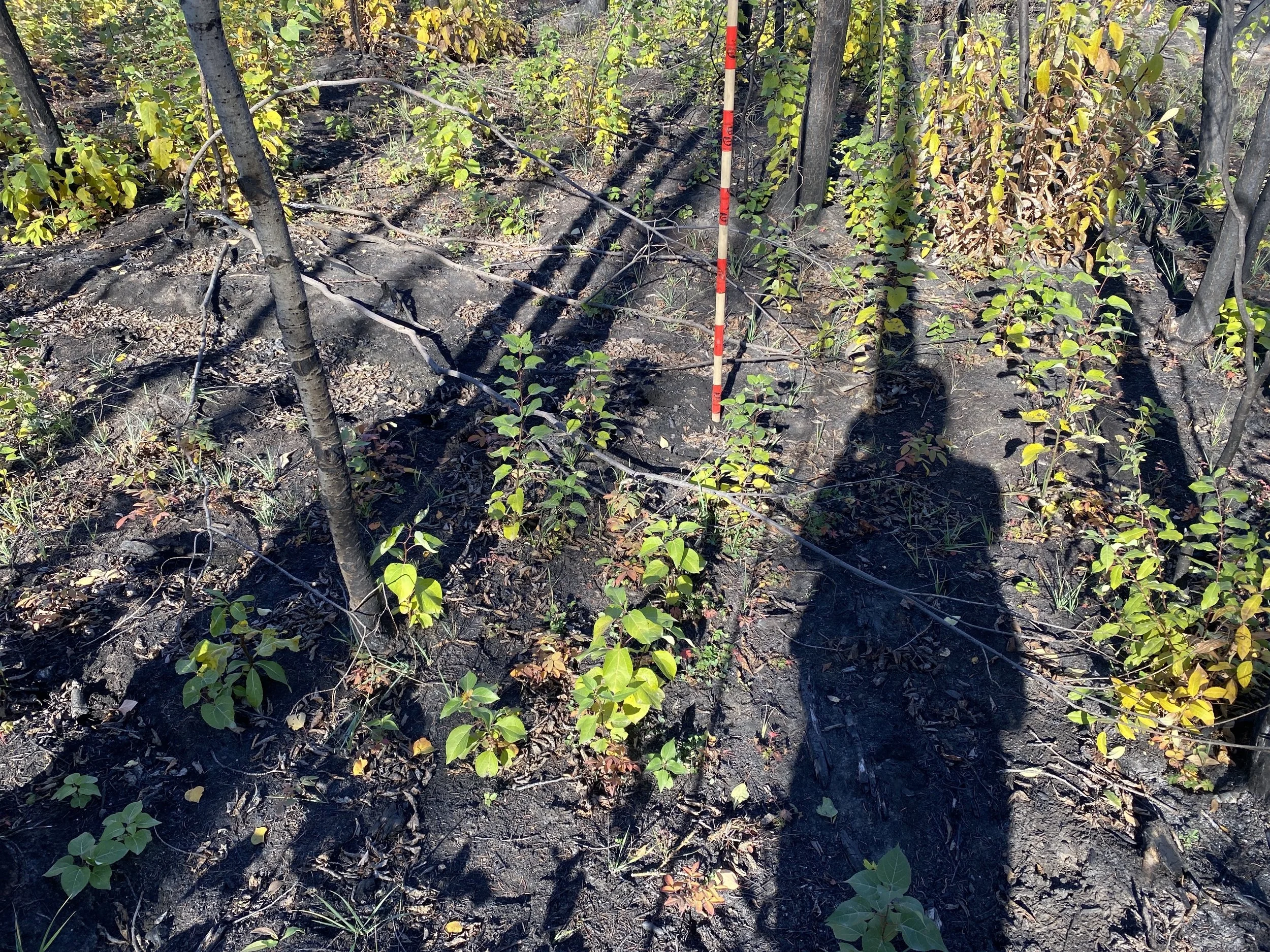
Post-wildfire exposed soils showing raindrop impact and high erosion potential.
Environmental compliance on construction sites is no joke. Stormwater regulations under the Canada Water Act, provincial environmental protection acts, and local municipal bylaws all set strict requirements for how sediment-laden runoff must be managed. A CPESC knows these rules inside and out and can help ensure your project has the right permits, documentation, and practices in place — including Stormwater Pollution Prevention Plans (SWPPPs) where required.
3. Select and Implement the Right Best Management Practices (BMPs)
Not every site is the same. A steep clay hillside in a high-rainfall area demands completely different controls than a flat sandy site in a dry climate. A CPESC evaluates site conditions — slope, soil type, drainage patterns, proximity to waterbodies — and recommends the right combination of BMPs, which might include:
Sediment basins and traps to capture runoff before it leaves the site
Inlet protection to keep sediment out of storm drain systems
Erosion control blankets or hydroseeding to stabilize exposed slopes
Access control measures at construction entrances to minimize tracking sediment onto roads
Perimeter controls like silt fences, compost berms, or fiber rolls
4. Inspect and Adapt Throughout Construction
Construction sites are dynamic — grades change, weather rolls in, and controls get damaged or overwhelmed. A CPESC conducts regular site inspections, identifies failing or inadequate controls, and recommends corrective action before small problems become regulatory violations or environmental damage. Many stormwater permits actually require qualified personnel to perform these inspections, and a CPESC is well-positioned to fulfill that role.
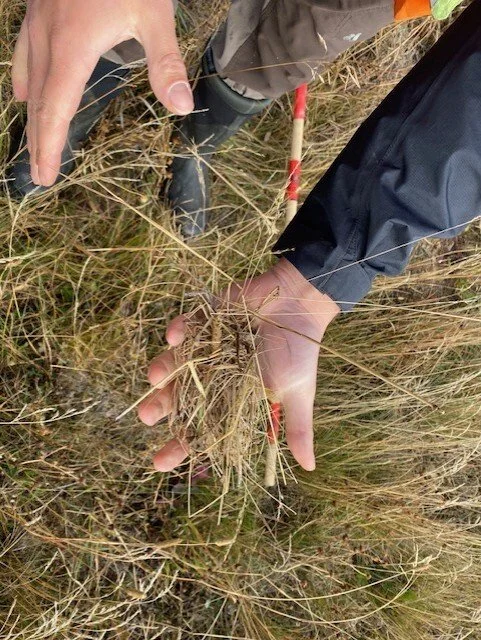
An AJMer holding leaf litter, a key indicator of ecosystem health, water retention, and erosion resistance.
5. Protect Downstream Water Quality
Here is the reason why all of this matters. Sediment is one of the most common — and damaging — pollutants in stormwater runoff. It smothers aquatic habitat, clogs waterways, degrades water quality for drinking and recreation, and carries attached nutrients and chemicals. A CPESC is fundamentally in the business of keeping that sediment on-site, where it belongs, instead of washing into streams, wetlands, and lakes.
6. Final Stabilization and Site Closeout
The job isn’t done when the building goes up. A CPESC can oversee the revegetation and permanent stabilization of disturbed areas, ensuring that temporary controls are removed properly and that the site won’t continue to erode once construction wraps up. Getting final stabilization right is often a condition of permit closure.
Why It Matters More Than Ever
With increasing regulatory scrutiny, more frequent extreme rainfall events, and growing public awareness of water quality issues, having qualified erosion and sediment control expertise on an environmental construction project isn’t just a nice-to-have — it’s increasingly becoming a project necessity. Fines for non-compliance can be significant, and the reputational cost of a sediment spill into a sensitive waterbody can be even higher.
A CPESC doesn’t just protect the environment. They protect your project schedule, your budget, and your organization’s credibility.
The Bottom Line
“Dirt” is deceptively simple stuff — until it ends up somewhere it shouldn’t be. Whether you’re breaking ground on a highway, a pipeline corridor, a housing development, or a municipal infrastructure project, a Certified Professional in Erosion and Sediment Control brings the knowledge and credentials to manage one of construction’s most underestimated challenges.
Next time you’re scoping out a project team, it might be worth asking: do we have someone who really knows the dirt?