From Bear Dens to Boardrooms
Mother’s Day arrives at a fitting time in the natural world. Across Alberta and western Canada, spring is when many wildlife species are nesting, denning, spawning, calving, hatching, and raising young. In other words, the landscape is full of mothers doing what mothers do best: protecting, feeding, teaching, and occasionally making it look much easier than it is.
At AJM, Mother’s Day is also a special day for our team. From business operations to aquatics, wildlife, wetlands, vegetation, and environmental planning, over 25% of our staff are moms, and that is not even counting the dog moms. Whether they are collecting data in the field, reviewing regulatory requirements, managing project schedules, or keeping the wheels turning behind the screen, we are grateful for the mothers who help shape our team and our work.
In the wild, motherhood looks very different depending on the species.
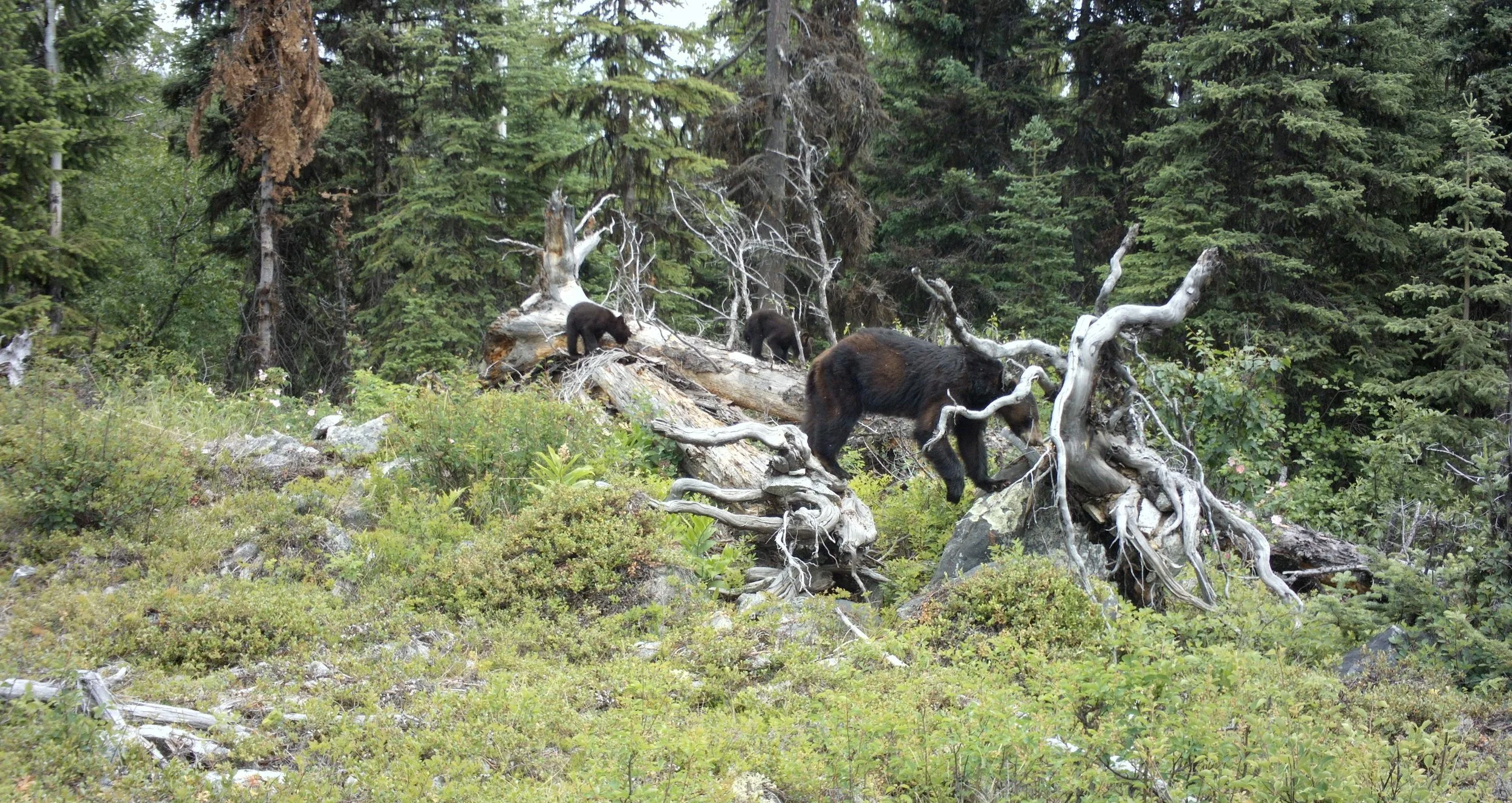
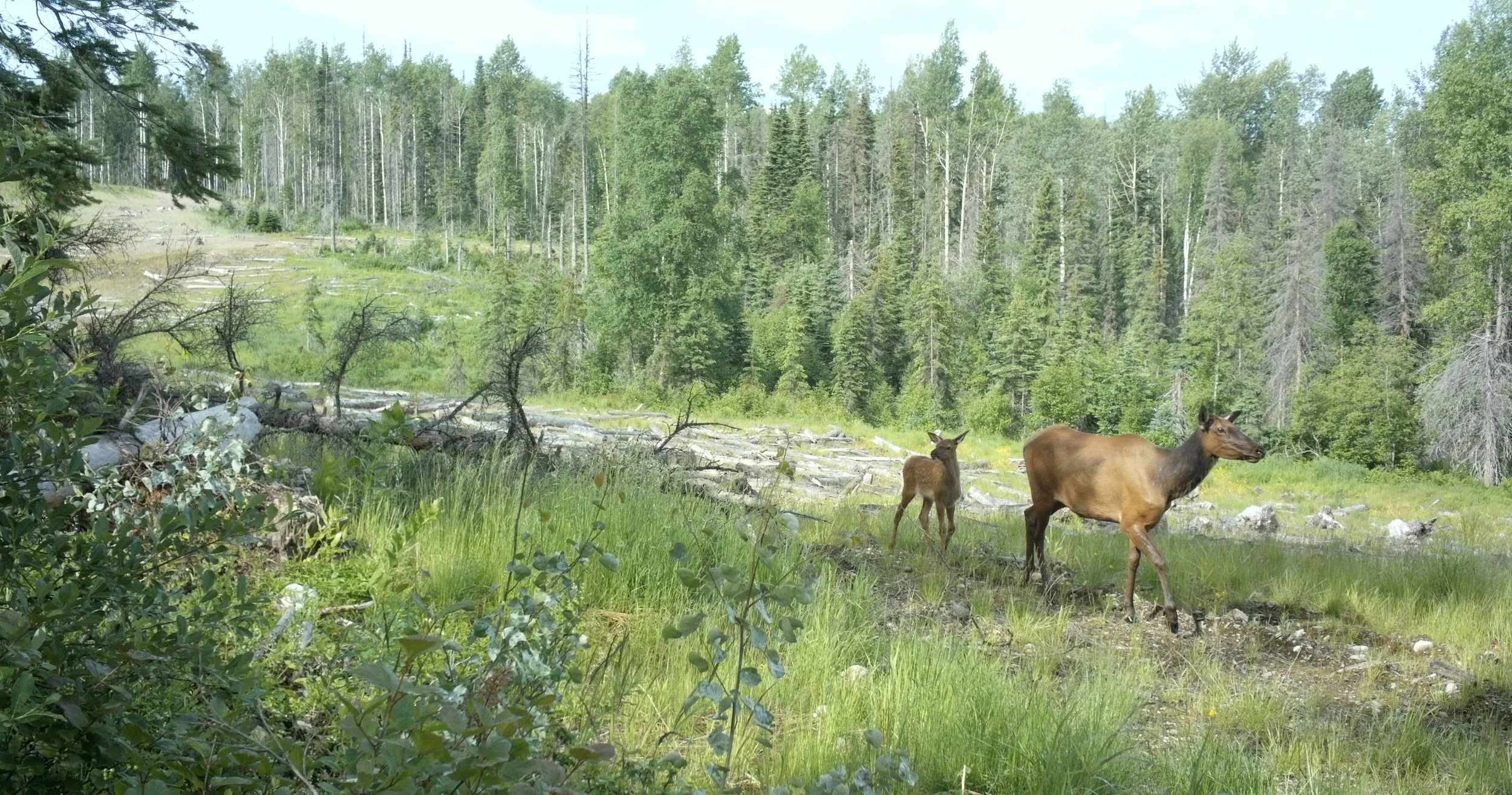
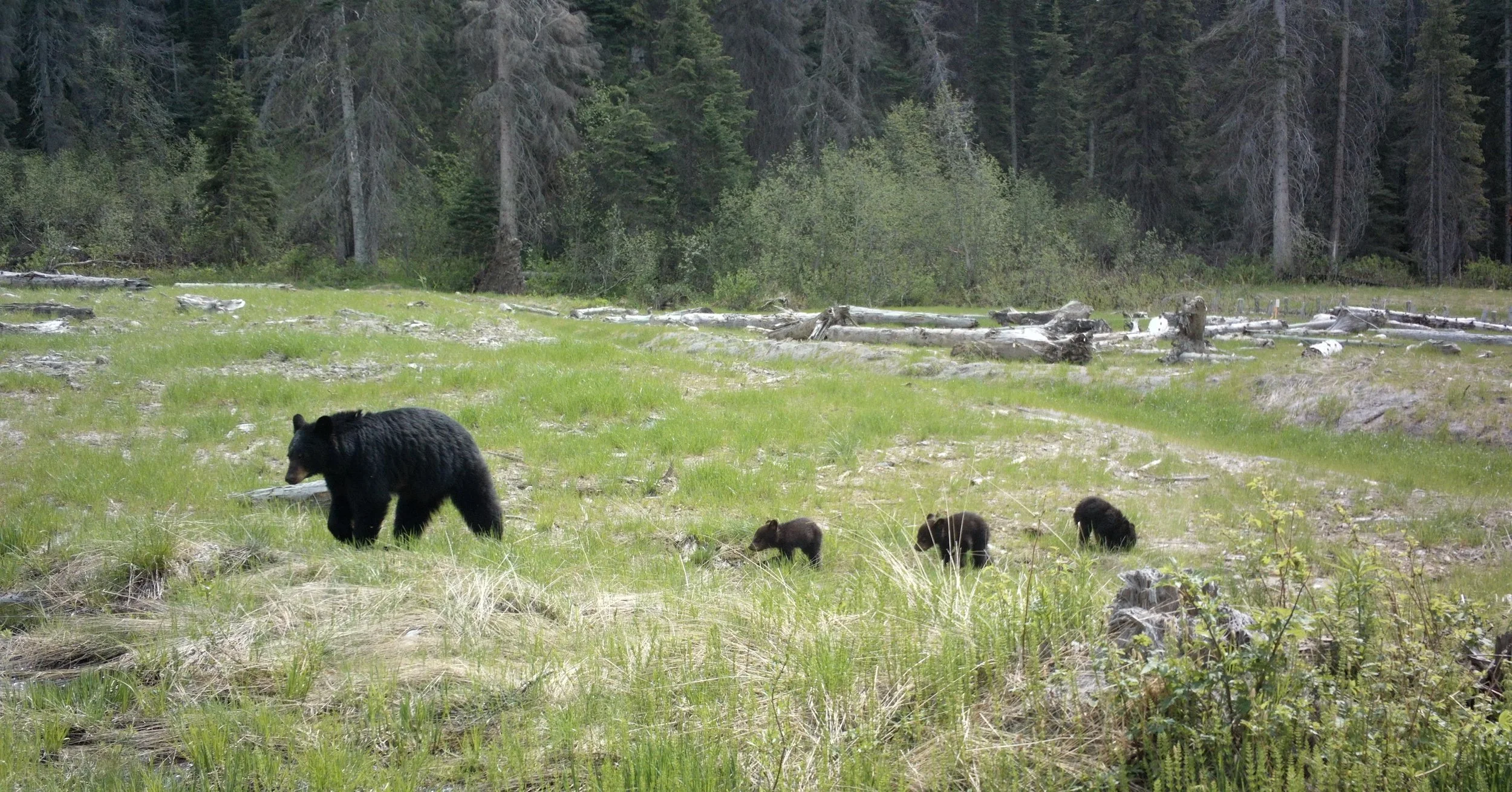
Some mothers are highly protective. A black bear sow may den through the winter and emerge in spring with cubs that are still small, vulnerable, and learning how to navigate the world. Many bird species invest enormous effort into nest construction, incubation, feeding, and defending young. Ungulates such as deer, elk, and moose often rely on concealment, leaving calves or fawns hidden while they feed nearby.
Other mothers take a very different approach. Many fish species, such as Westslope Cutthroat Trout and Arctic Grayling, carefully select spawning habitat with suitable water temperature, flow, dissolved oxygen, and substrate conditions, then provide little to no parental care after spawning. It is less “helicopter parenting” and more “choose the nursery carefully, then trust the process.”
From a project planning perspective, these life stages matter.
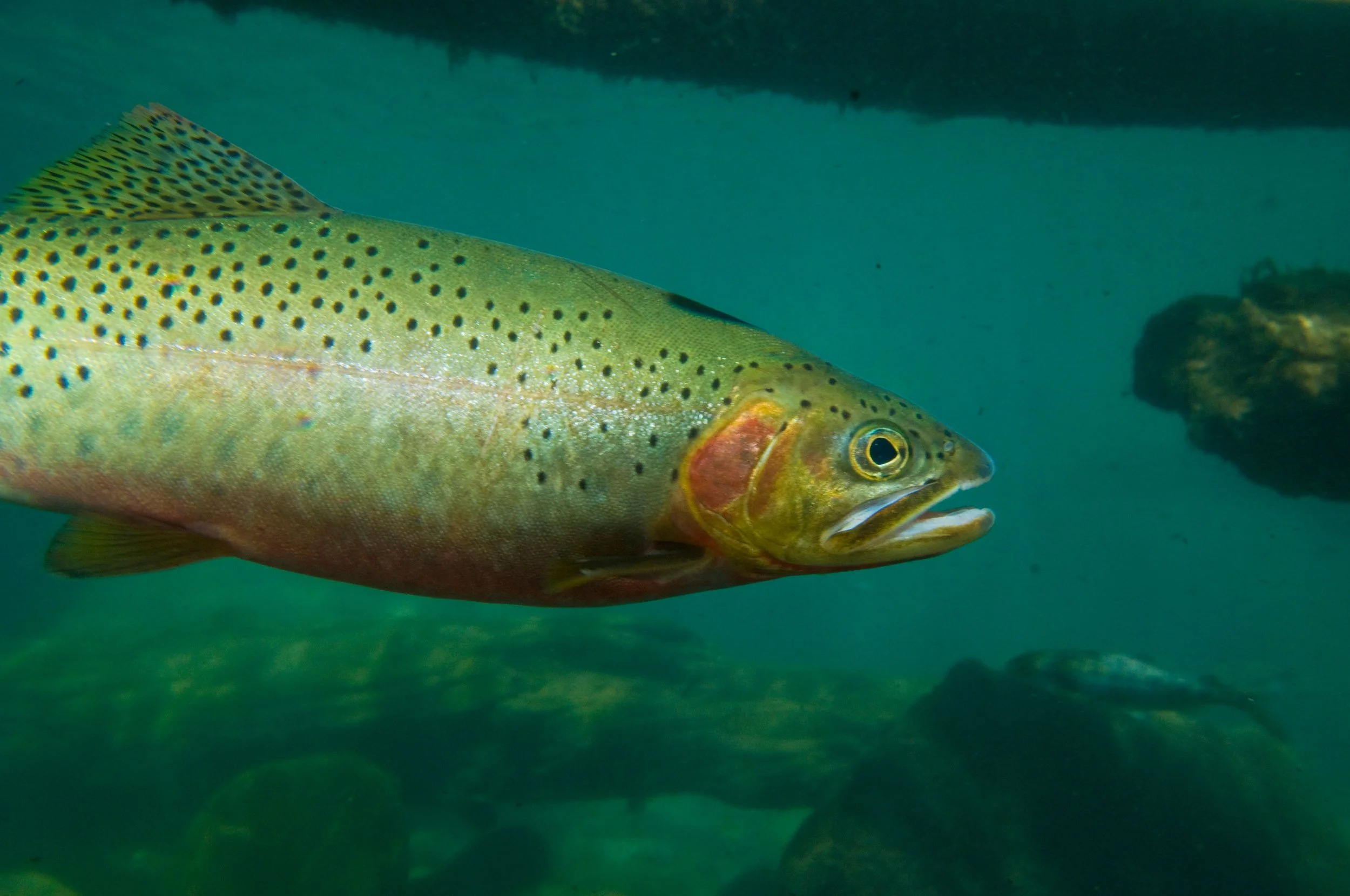
Spring and early summer often overlap with some of the most sensitive wildlife and aquatic timing windows of the year. Vegetation clearing, construction, access development, instream work, and other ground disturbance activities can intersect with active nests, dens, leks, roosts, calving areas, amphibian breeding wetlands, and fish spawning habitat.
That overlap is also where regulatory risk can increase.
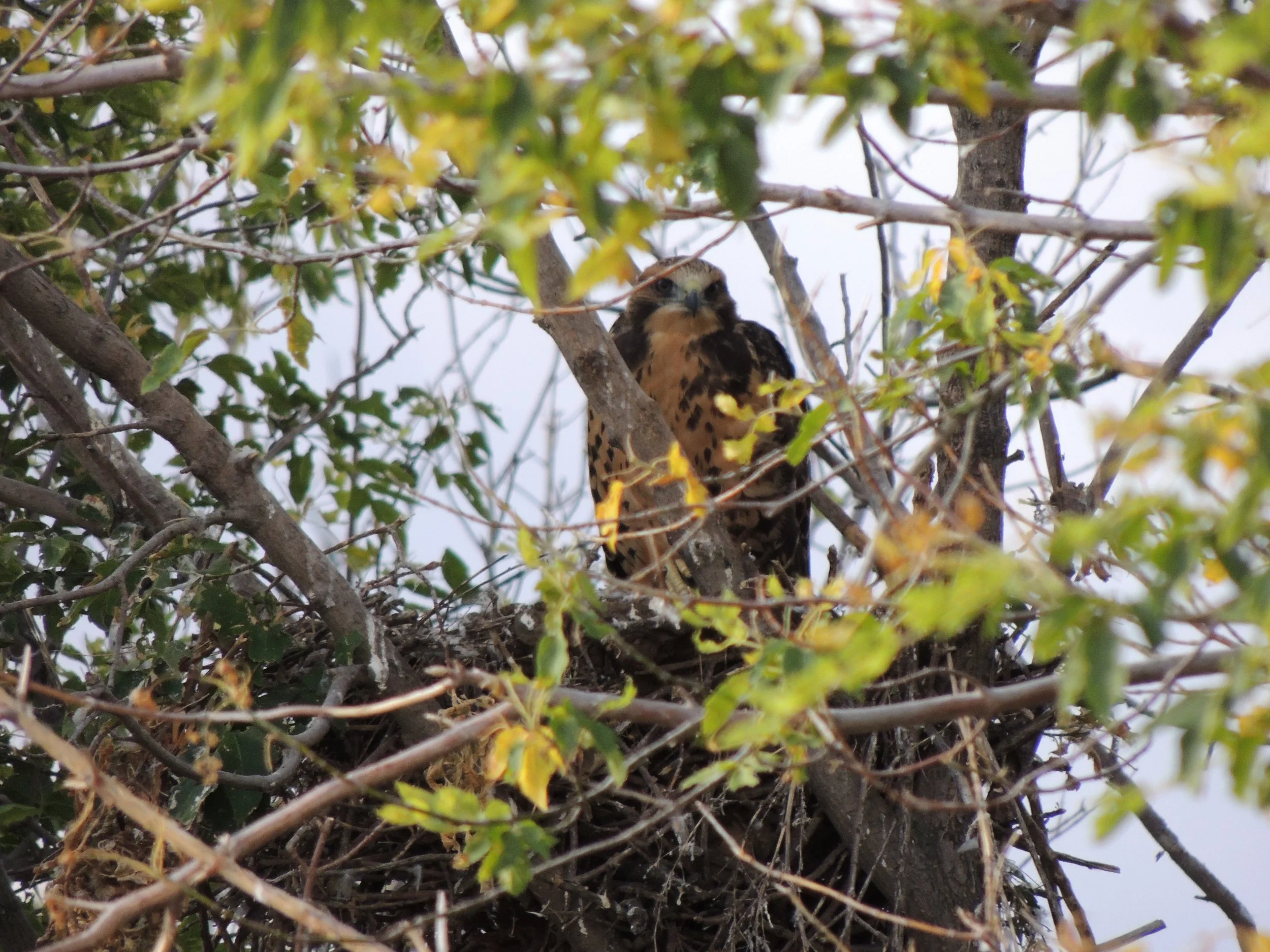
Federally, migratory birds are protected under the Migratory Birds Convention Act, 1994, with specific nest protection requirements set out in the Migratory Birds Regulations, 2022. These regulations prohibit the damage, destruction, disturbance, or removal of migratory bird nests when they contain a live bird or viable egg. This can be relevant for species such as Sandhill Cranes, Tree Swallows, Western Meadowlarks, Savannah Sparrows, and Killdeer, depending on the habitat and project location. Nests of certain species listed in Schedule 1 of the regulations may also receive additional protection, even when unoccupied, unless regulatory conditions are met.
Other federal requirements may also apply, including the Fisheries Act, which prohibits work resulting in the harmful alteration, disruption, or destruction of fish habitat unless authorized. This may be relevant where species such as Westslope Cutthroat Trout, Arctic Grayling, Bull Trout, Northern Pike, Walleye, or Lake Whitefish are present. The Species at Risk Act may also apply where listed species or critical habitat are present, including certain birds, fish, amphibians, plants, and mammals.
In Alberta, provincial wildlife requirements may also be relevant for features such as nests, dens, leks, roosts, mineral licks, calving areas, and other wildlife habitat. Depending on the project area, this may include consideration of species such as bats, black bears, sharp-tailed grouse, amphibians, moose, elk, deer, or furbearers such as beavers and muskrats.
Practically, this means that timing and planning matter.
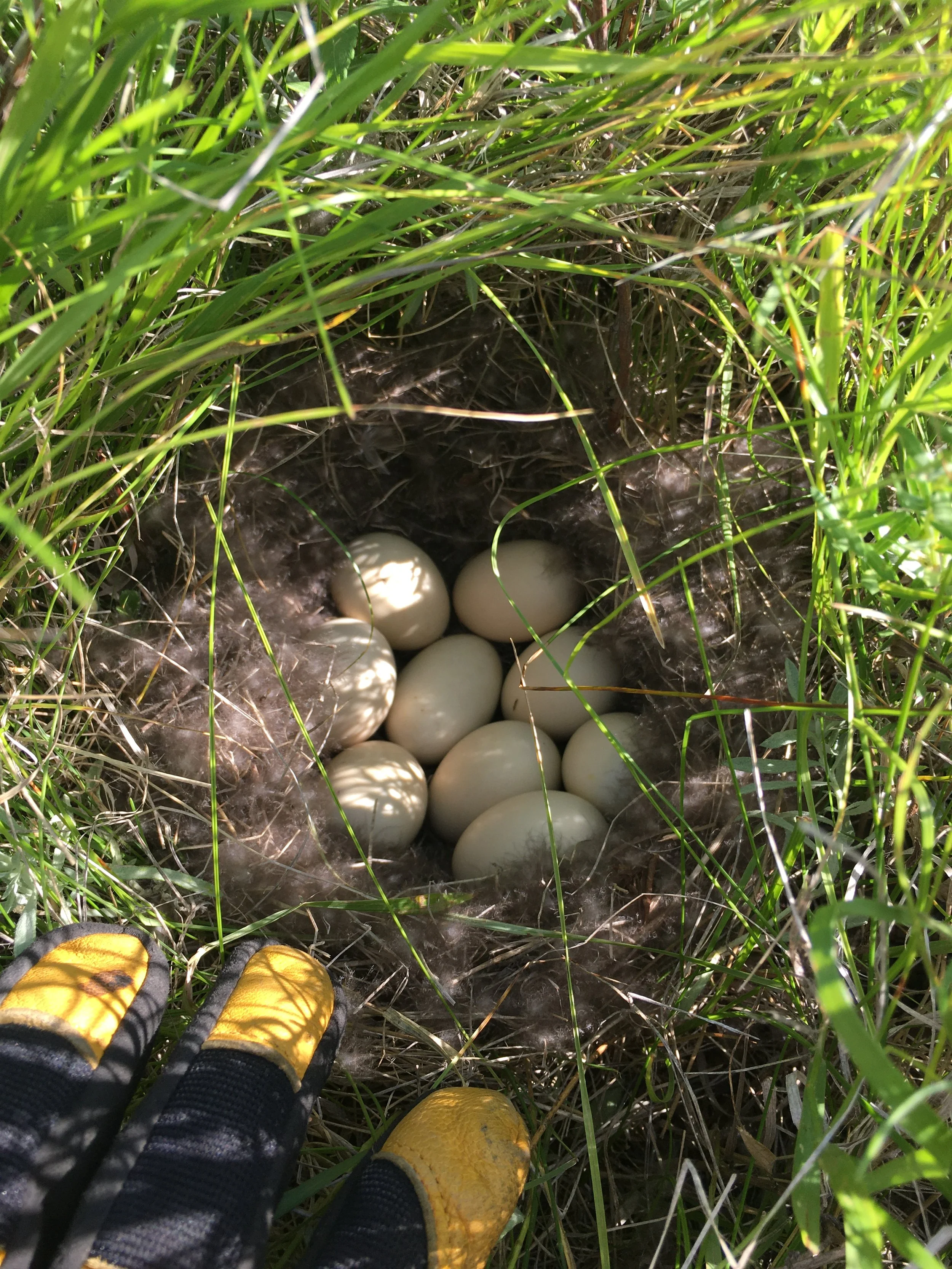
Pre-disturbance wildlife surveys can help identify sensitive features such as active nests, bear dens, sharp-tailed grouse leks, bat roosts, amphibian breeding habitat, and other wildlife features before work begins. When features are found, appropriate buffers, timing restrictions, monitoring, avoidance measures, or mitigation plans can be applied based on the species, habitat, project activity, and regulatory context.
The same principle applies in aquatic environments. Understanding which fish species may be present, when they spawn, and which habitats they rely on helps inform project scheduling and mitigation. Where possible, instream work is planned outside Restricted Activity Periods. Erosion and sediment control measures, isolation methods, fish salvage planning, and careful watercourse crossing design can all help reduce impacts to fish and fish habitat, especially during sensitive spawning and egg incubation periods.
Mother Nature may have a wide range of parenting styles, but most species have one thing in common: timing is everything.
So, whether you are a bear mom guarding a den, a fish mom hoping your carefully chosen gravel bed does its job, a bird mom making countless snack deliveries, or a human mom balancing project deadlines and permission slips, Happy Mother’s Day from AJM!